• Therapia
    Homeopathic Center

    Nanthanam ,Kulasekharam

  • therapiaonline@gmail.com

    Get a Free Quote

Make a Call

+919486907276

“The baby is something you carry inside you for nine months, in your arms for three years, and in your heart until the day you die”

- Mary mason

Pregnancy is one of the most vital and sensitive periods in a woman’s life. Therefore, it’s very important for pregnant women to eat a healthy diet. Certain foods should only be consumed rarely, while others should be avoided completely. Important nutrients include proteins, carbohydrates, and fats.
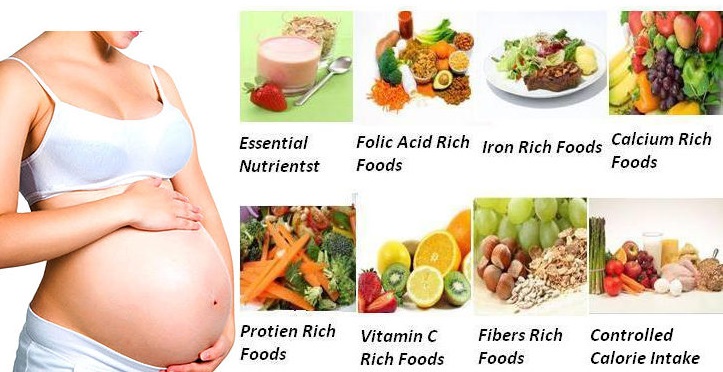
FIRST TRIMESTER

ESSENTIAL NUTRIENTS AND ITS IMPORTANCE IN PREGNANCY


Folate (or folic acid), zinc, iron, iodine, and DHA (docosahexaaenic acid) – a type of omega – 3 fatty tcid (healthy fat).

Folic acid is a B vitamin that is crucial in helping to prevent birth defects in brain and spinal cord, known as neural tube defects.

Taking probiotics supplements during pregnancy may reduce the risk of complications such as preeclampsia, gestational diabetes, vaginal infections and allergies.

Sweet potatoes contain fiber may increase fullness, reduce blood sugar spikes and improve health and mobility.

Eggs are great source of choline. Choline is essential for the body, including brain development and health.

Consuming green, leafy vegetables reduce the risk of low birth weight.

FOODS TO EAT DURING 1st TRIMESTER:

  • Ginger or foods/ drinks containing ginger which has anti – nausea properties.
  • Dry foods such as crackers, biscuits, jelly, low sugar flavoured popsicles.
  • Plain vegetables or fruits.
  • Lemon which can be eaten, sipped with herbal teas, sucked or sniffed.

FOODS TO AVOID DURING 1st TRIMESTER:

  • Any raw foods
  • Raw seafoods (sushi, sashmi, oysters, shelfish).
  • Soft cheeses
  • Pate (or any meat breads)
  • Soft boiled or poached eggs, eggs with raw foods
  • Soft serve ice – creams, un pasteurised products
  • Regular amounts of high sugar foods.

SECOND TRIMESTER

During second trimester, important to eat foods that are rich in calcium, magnesium, and vitamin D. These nutrients will help baby to grow strong bones and teeth. Its also beneficial to eat foods containing to eat foods containingomega – 3 oils, which are essential for baby’s brain development.

FOODS TO EAT DURING SECOND TRIMESTER:

  • Broccoli
  • Green beans
  • Cabbage
  • carrots
  • Green yogurt
  • Dried fruit
  • Peanut butter
  • Pumpkin seeds
  • Sunflower seeds

FOODS AVOID DURING THE SECOND TRIMESTER

  • Sea foods
  • Unpasteurized products
  • Caffeine
  • Artificial sweeteners
  • Alcohol

THIRD TRIMESTER

The third trimester begins in week 28 of pregnancy and lasts to birth, which maybe around week 40 of pregnancy.

In third trimester vitamin C, vitamin K and thiamine (vitamin B1) are essential during 3rd trimester.

Vitamin C helps body to absorb iron from foods and keep the immune system strong. It also help placenta to grow and function properly.

FOODS TO EAT DURING 3rd TRIMESTER:

  • Dairy products
  • Legumes
  • Sweet potatoes
  • Salmon
  • Eggs
  • Broccoli and dark, leafy greens
  • Lean meat
  • Fish liver oil
  • Berries
  • Whole grains

FOODS TO AVOID DURING 3rd TRIMESTER:

  • Raw and undercooked meat
  • Unpasteurized milk and milk products
  • Certain cheeses
  • Raw eggs and undercooked eggs.

LIMITATION OF FOODS DURING PREGNANCY:

  • The high amounts of mercury contained foods cause toxic for the nervous system, immune system, and kidneys. It also cause serious developmental problems in children.
  • Raw fishcan cause several infections. Pregnant women are especially susceptible to Listeria infections. Listeria can be passed to an unborn baby through placenta without any signs of illness. This can lead to premature delivery, miscarriage, still birth and other serious health problems.
  • Undercooked raw meat increases risk of infection from several bacteria or parasitesincluding toxoplasma, E.coli, listeria,and salmonella. Bacteria may threaten the health of the unborn baby, possibly leading to still birth or severe neurological illnesses, including intellectual disability, blindness and epilepsy.
  • Raw eggs can be contaminated with salmonella. The infection may cause cramps in the uterus, leading to premature birth or still birth.
  • Caffeine is the most commonly used psychoactive substance. High caffeine intake during pregnancy shown to restrict fetal growth and increase the risk of low birth weight at delivery
  • Low levels of iron during early and mid- pregnancy may cause iron deficiency anemia, which doubles the risk of premature delivery and low birth weight.

CONCLUSION

Thus we understand that how and why women make changes to their diet during pregnancy and feasible interventions to help women to optimize their dietary intake during pregnancy. Womens frequently make changes to reduce intake of compounds that could harm their pregnancy, but are less likely to increase their intake of foods that provide key nutrients.

Call

Whatsapp